02 Capability / Land
Ground truth,
in motion.
Vehicles are rolling sensor platforms. Apramad turns their positions, health and payloads into readiness you can trust and movement you can see.
01 Readiness
Know which vehicles can move, before you need them to.
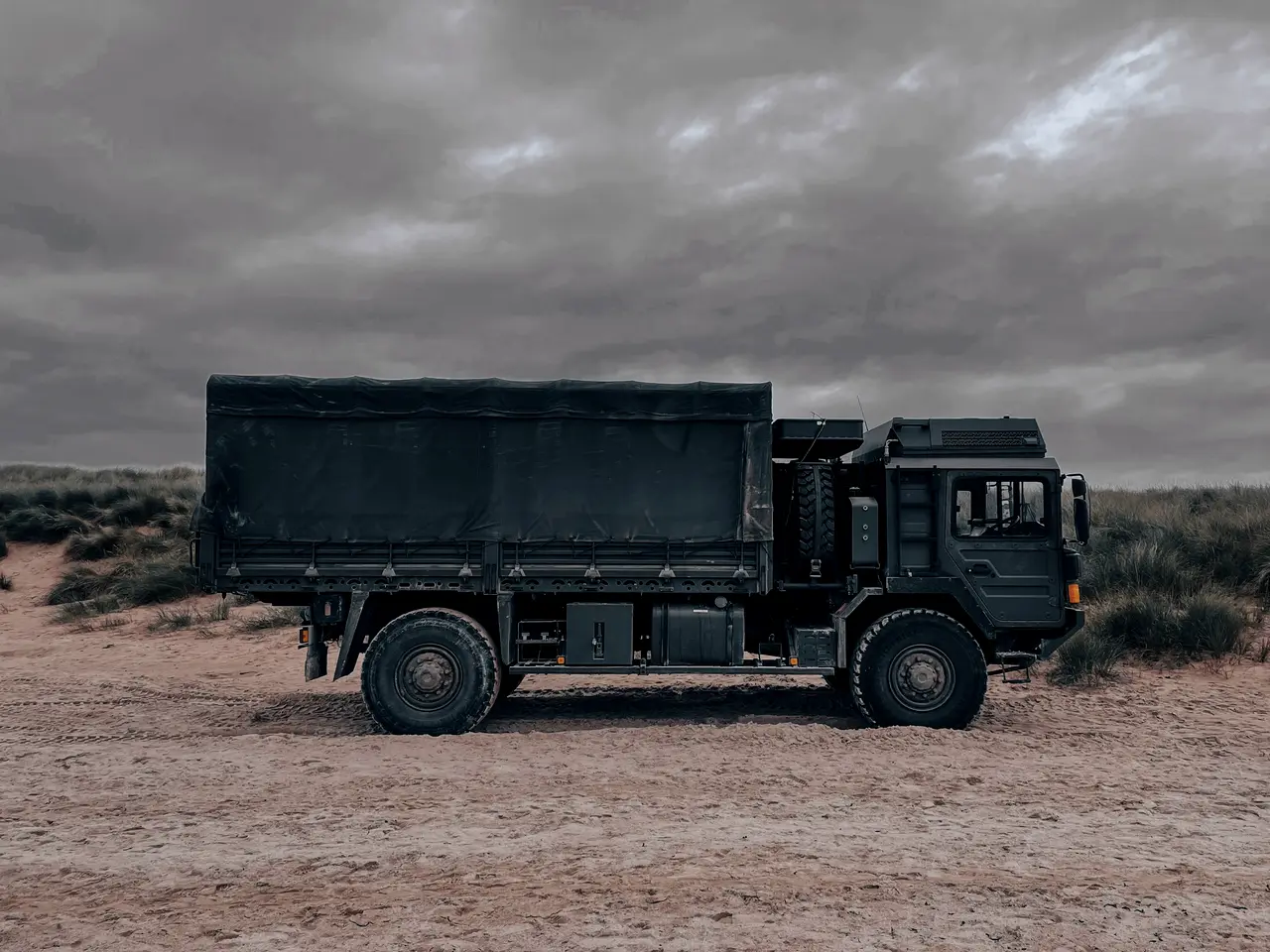
Fleet readiness usually lives in paperwork and in the heads of a few experienced maintainers. Apramad reads it from the vehicles themselves: engine hours, faults, fuel, tire and track wear, and the work that has been done.
Commanders get one honest readiness view. Maintainers get a prioritized list. Nobody has to guess.
- Health and fault data from vehicle systems
- Readiness by vehicle, unit and formation
- Maintenance history that follows the vehicle
02 Mobility
Convoys and logistics, visible end to end.
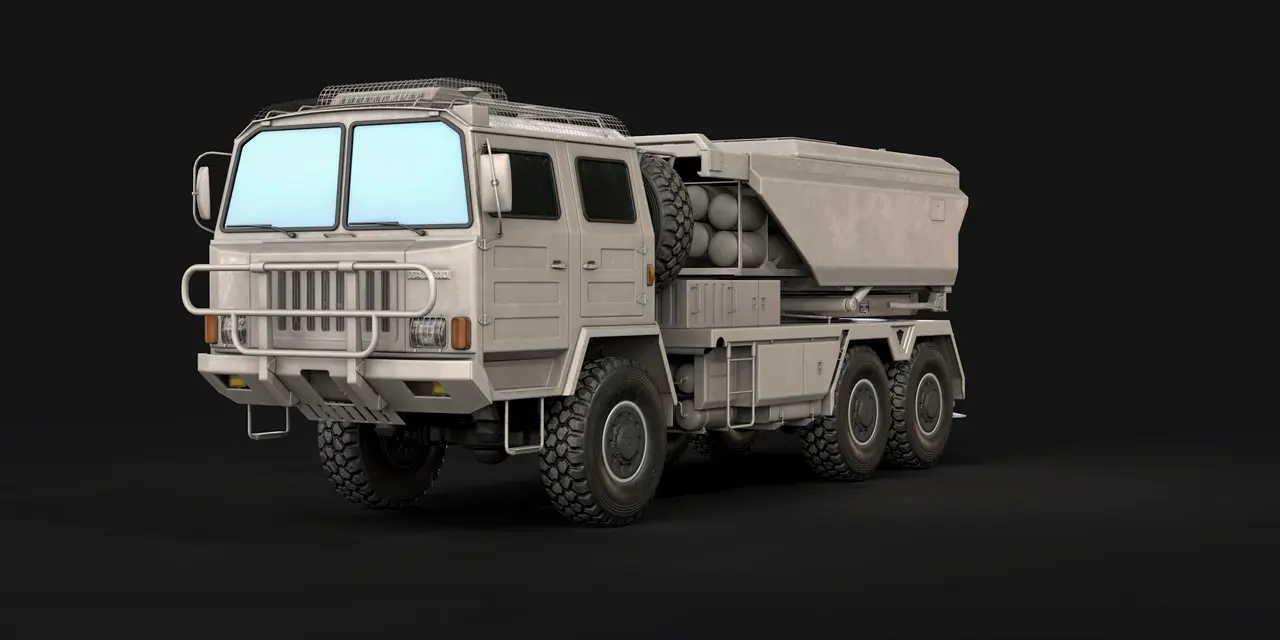
A convoy is a moving formation of sensors. Position, route progress, load state and delays feed the shared picture, so the people waiting for supplies know what is coming and when.
When a route is threatened, the same picture that shows the convoy shows the alternatives.
- Live convoy tracks on the shared picture
- Route progress, delays and arrival estimates
- Load and supply state by vehicle
03 Fleet board
Readiness at a
glance.
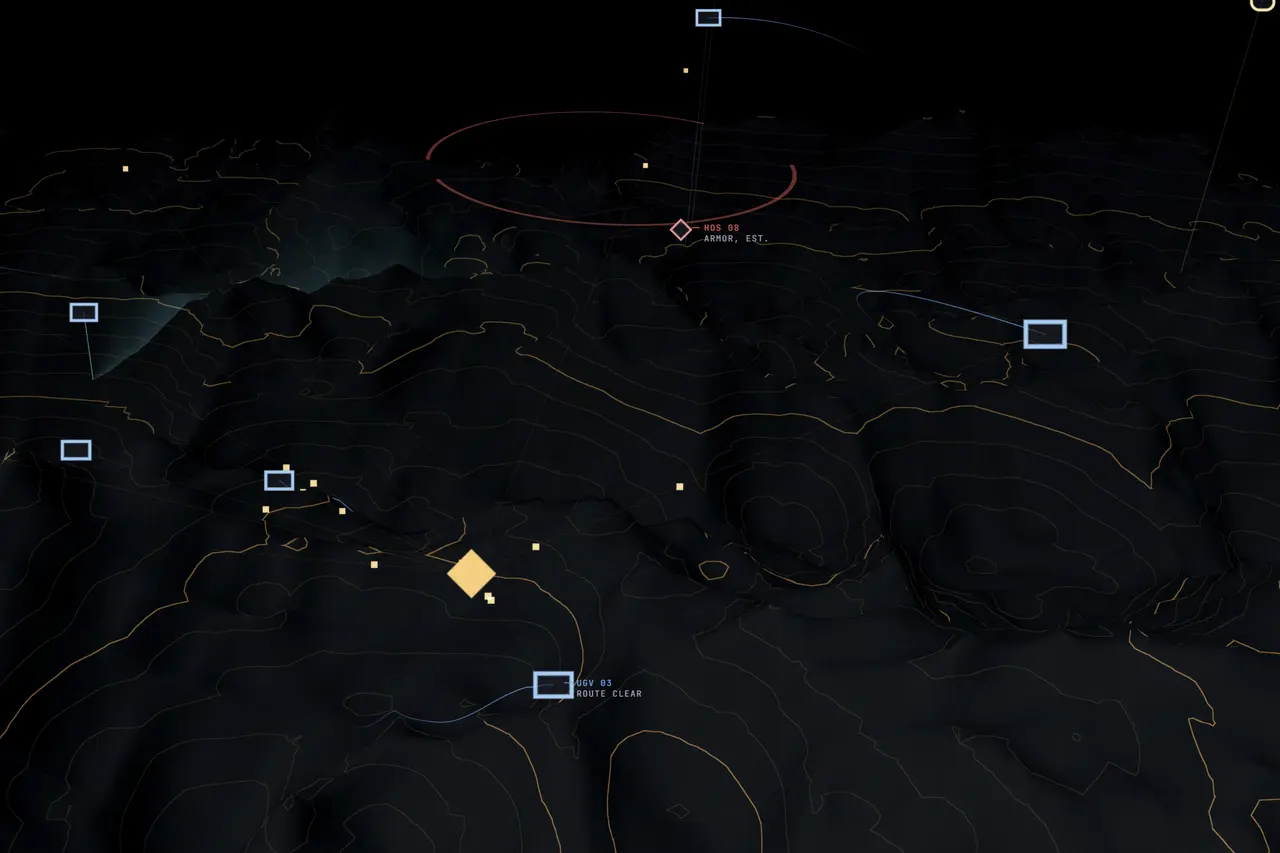
An illustrative fleet board. Each tile is a vehicle reporting its own state; nothing on it is typed in by hand.
04 Land platforms
Crewed and uncrewed,
one fleet.
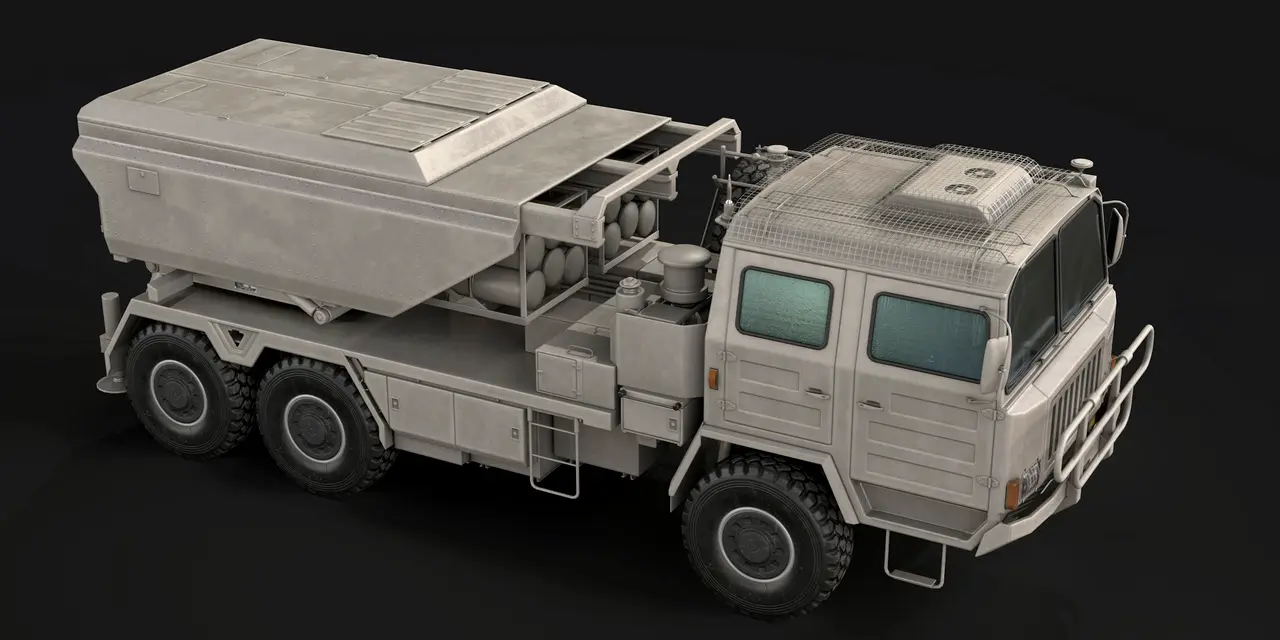
Armored vehicles and ground robots report into the same record and the same picture, so mixed teams operate as one.
Wheeled armor
Eight-wheeled armored vehicles working as rolling sensor and communications nodes.
- Data in
- Position, vehicle health, payload and crew status
- Apramad adds
- Readiness, convoy awareness, an edge node for the picture
- Runs on
- In-vehicle computer and unit headquarters
Ground robot
Tracked uncrewed ground vehicles for logistics, reconnaissance and route clearance.
- Data in
- Position, mission state, sensor feeds
- Apramad adds
- Tasking, a live track, a complete mission record
- Runs on
- Operator controller and vehicle, offline
05 Vehicle as edge node
When the link drops, the picture stays.
A rugged computer in the vehicle carries its own copy of the picture. It keeps fusing local sensors and nearby platforms when the wider network is gone, and reconciles the moment the link returns.
Every vehicle becomes a node that can see, share and keep working, not a dot waiting for headquarters.
Keep the fleet
ready.
We build alongside the people who will use what we make, with engineers forward-deployed from the first conversation.